
About us

We are your host, Ian & Jayne, and we have lived and worked in Newcastle for over 25 years. We had settled in Wylam for about 10 years when Wormald House came on the market.
Coming from an IT background Jayne was hankering for a new challenge we decided to breathe a fresh lease of life into this historic property that had been much loved in the past. We held our nerve through Covid and pulled out all the stops on the renovation.
About Wormald House
Until recently the house was fully pebble-dashed and the iron work from the garden had been removed. We exposed the stone around the windows and re-instated the railings to hopefully bring back some of its original splendour. Each guest bedroom has been fully refurbished including upgraded ensuite bathrooms. The result is a successful mix of traditional themes with modern amenities creating a unique appealing interior.
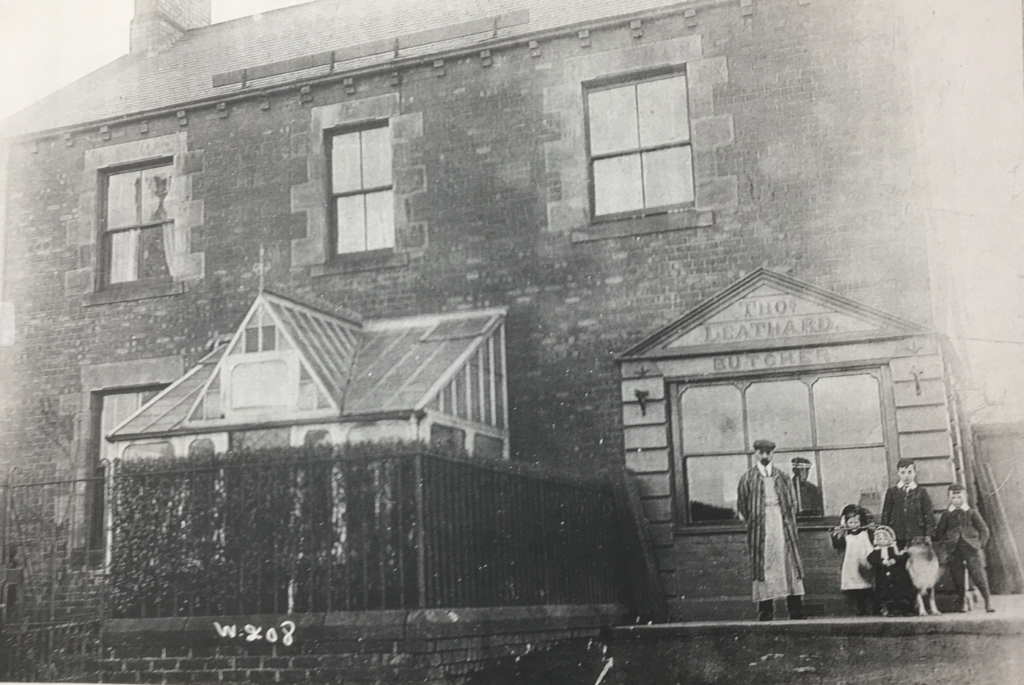
To learn more about Wormald House we should go back in time. Our house is named after Joseph Wormald, who oversaw the Prudhoe colliery, based just three miles away. Wormald chose to live in Wylam and built this house for his family circa. 1888 after leasing the land from the Blackett family.
Mark Elliot’s history blog from the Westgate Road Cemetery Project discusses a headstone of the Yielder family giving us more clues as to the inhabitants of yesteryear. Under the chestnut tree in St. Mary Magdalene Cemetery rests the headstone of Richard and Margaret Yielder, who raised nine children and lived briefly in Prudhoe before Richard’s death in 1875. Their widespread family included miners, farmers, preachers, and businesspeople across the North East—among them Thomas Leathard, a butcher, a respected Methodist lay preacher and founder of the Prudhoe Gleemen, who lived with his wife Margaret Yielder and their nine children at Wormald House, Wylam.
The census record (1901) shows “Thomas Leathard, head, married male 40, butcher, Prudhoe” of Wormald House, Wylam, Northumberland. The same record relates to Frederick T Leathard as his son.
A butcher’s shop was always part of the design of the house. Thomas Leathard was Joseph Wormald’s brother-in-law, the village butcher for many years (see the name above the window in the photo). This is now our breakfast room! (Read more about our breakfasts). At the back of the house was a small slaughterhouse serving the butcher’s shop until 1990. This is now home to the Wood Oven – a fabulous artisan pizza restaurant!
More about Wylam
We consider Wylam to be a great village and here’s why:
- You can find Wylam on the banks of the River Tyne surrounded by beautiful green countryside. The village has plenty of walking trails to enjoy.
- As a lasting testament to the 19th century industrial revolution Wylam boasts some historical treasures that visitors to the area (as well as train-spotters!) may find interesting. Wylam is the birthplace of George Stephenson, the “father of the railway”. You can walk to his birthplace on the Waggonway, a lovely cottage/museum that the National Trust maintains.
- Puffing Billy (1813-14), the oldest surviving steam locomotive, was designed by William Hedley and built for Christopher Blackett, the owner of Wylam Colliery near Newcastle, to haul coal wagons from the mine at Wylam to the docks at Lemington in Northumberland.
- Wylam’s historic buildings include the Grade 2 listed railway Station Master’s house, the footbridge and the signal box.
- Wylam has a strong sense of community, with many local events and activities throughout the year. Places like the Wylam Institute, the Falcon Centre and the Wylam Community Playing Fields bring people together creating a welcoming and friendly atmosphere. Within a few minutes walk from us you can find 4 decent pubs, a bistro, a cafe and an artisan pizzeria.
- Despite its rural location, Wylam is well-connected to nearby Newcastle. We are on the main railway line from Newcastle to Carlisle and just two stops away from Metro Centre (one of the largest shopping centres in the UK).